Ice Cream Milkshake Machine: A Sweet Stitch Review
When I first pulled up the Ice Cream Milkshake Machine embroidery design on my screen, I didn't just see a file; I saw a potential best-seller for the upcoming summer season. As someone who spends hours digitizing and reviewing machine embroidery designs for both personal projects and client work, I look for more than just cute imagery. I look for stitch logic, density balance, and how the final product will hold up after a wash cycle. This specific design caught my eye because of its playful theme, but the real test is always in the execution. Does it translate well from a digital embroidery file to a tangible handmade product? Let's break down how this design performs in a real-world setting.
First Impressions and Visual Personality
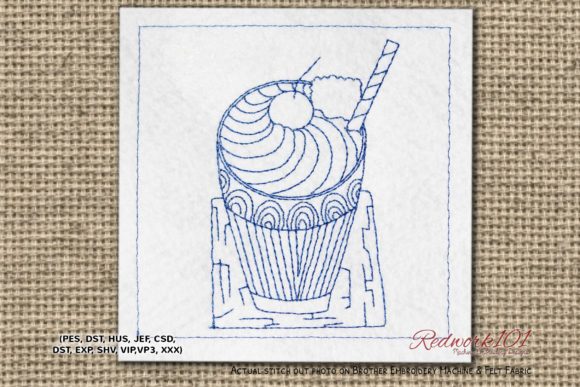
The immediate mood created by the Ice Cream Milkshake Machine is one of nostalgia and fun. It taps into that classic diner aesthetic that never really goes out of style. The layout appears balanced, with a focus on the iconic shape of the shake dispenser or blender, which serves as the anchor for the design. In terms of visual personality, it feels versatile enough to be whimsical without being childish, making it suitable for a wide range of demographics.
One detail noted in the product description is that "The Box Stitch shown in picture is optional." This is a crucial observation for any experienced designer. It suggests flexibility. If you are working on a textured fabric where a background box might interfere with the drape or feel of the material, you can likely skip that color stop. This adaptability is a huge plus for custom apparel, allowing you to tailor the look to the specific garment rather than forcing the garment to fit the design constraints.
Real-World Application: The Summer Tote Scenario
To truly evaluate this design, I imagined a specific project: a custom embroidered tote bag for a local boutique selling homemade jams and treats. The owner wanted something that screamed "summer refreshment" but needed to look professional enough for retail shelves. The Ice Cream Milkshake Machine fit this brief perfectly.
For this application, I would recommend using a medium-weight canvas or twill. The design's lines seem robust enough to stand out against the weave of the fabric. When stitched as a sweatshirt embroidery piece or on a heavy cotton tee, the fill stitch areas would provide solid coverage, while the running stitch outlines would add definition. For an Etsy seller looking to create a cohesive line of kitchen towels or aprons, this design offers high recognition value. Customers instantly recognize the silhouette, which aids in buyer engagement and impulse purchases at craft fairs.
However, we must address the category listing of "Wine." While the design itself is clearly ice cream themed, the categorization might imply it's part of a larger collection of beverage-related assets. If you are building a brand around a café or a dessert shop, mixing this with wine-themed embroidery could create an eclectic "drinks and desserts" vibe, but for a dedicated nursery or baby shop, sticking strictly to the milkshake theme ensures brand consistency.
Fabric Considerations and Technical Challenges
No embroidery project is without its challenges, and knowing where to use caution is half the battle. With the Ice Cream Milkshake Machine, here are a few scenarios where you need to proceed carefully:
- Stretchy Fabrics: If you plan to put this on a thin jersey t-shirt or baby clothes, the stitch density becomes critical. Dense areas can cause puckering if the stabilizer isn't up to the task. Always use a cut-away stabilizer for stretchy materials to maintain the shape of the design over time.
- Small Hoop Sizes: Depending on the specific file version you download, check the dimensions. If you are aiming for a left-chest logo on a cap or a small patch, ensure the details don't get lost. Tiny lettering or intricate corners can merge together if scaled down too far.
- Dark Fabrics: The color contrast is key. If the design relies on light thread colors, it will pop beautifully on navy or black. However, verify if the design includes an underlay or backing stitch to prevent the dark fabric from showing through the lighter fill stitches.
- Curved Surfaces: Embroidering on a cap requires careful hooping. The rigid structure of a cap frame helps, but ensure the design isn't too wide, or it will wrap awkwardly around the curve.
Enhancing Product Value and Professionalism
In the world of commercial embroidery, the finished product is your resume. A clean, well-stitched Ice Cream Milkshake Machine can significantly boost the perceived value of an item. Whether it's a holiday gift for a teacher, a personalized gift for a new mom, or merchandise for a small shop product line, the quality of the stitch work reflects directly on your brand.
High stitching clarity builds customer trust. If the satin stitch borders are smooth and the fill stitch textures are uniform, the item feels premium. Conversely, bird nests or skipped stitches can ruin the illusion of quality. This design seems to rely on clear shapes, which generally translates well to high-definition stitching, provided your machine is threaded correctly and your tension is balanced.
For digital product sellers, this design also serves as an excellent asset for printable mockups. Because the subject matter is universally understood, it makes for compelling marketing images on social media, driving traffic to your Etsy listings or website.
Designer Notes and Best Practices
Before you commit to stitching this on a client's expensive garment, follow these practical steps to ensure success:
- Test on Scrap Fabric: Always stitch a sample on the same type of fabric you intend to use for the final project. This reveals how the thread colors interact with the material.
- Check Thread Color Contrast: Review the suggested thread chart. If the default colors don't match your brand palette, feel free to swap them. The design should work in various colorways, from pastels for baby embroidery to bold primaries for sportswear.
- Review Stitch Density: If the design feels too stiff after stitching, consider editing the density in your digitizing software if you have the skills, or choose a lighter weight fabric.
- Confirm Hoop Size: Ensure your machine's hoop can accommodate the design dimensions without needing to re-hoop, which can lead to alignment issues.
- Inspect Small Details: Look closely at the connection points between different elements of the machine. Are there jump stitches that need trimming? Clean up these threads for a polished look.
- Licensing Check: Since the product description mentions optional box stitches and color variations, confirm the license terms. Can you sell the finished physical items? Can you resell the digital embroidery file? Never assume; always read the terms to protect your craft business.
Ultimately, the Ice Cream Milkshake Machine is a charming addition to any library of design assets. It bridges the gap between novelty and utility, offering a visual treat that works equally well on a kitchen towel as it does on a boutique tote bag. By paying attention to fabric texture, stabilizer choice, and stitch placement, you can turn this digital file into a standout finished product that customers will love. Happy stitching!