Time to Wine Down: A Designer's Review for Real Projects
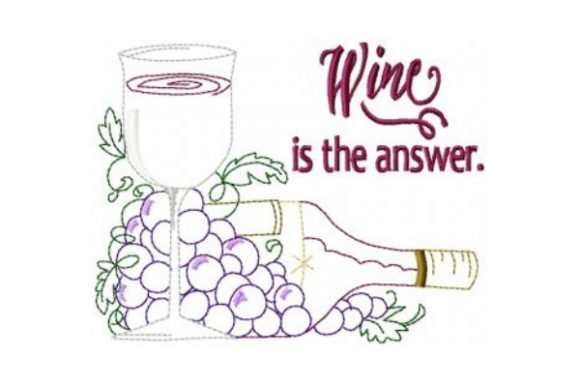
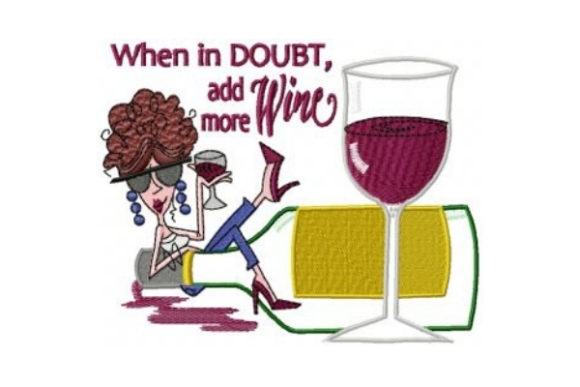
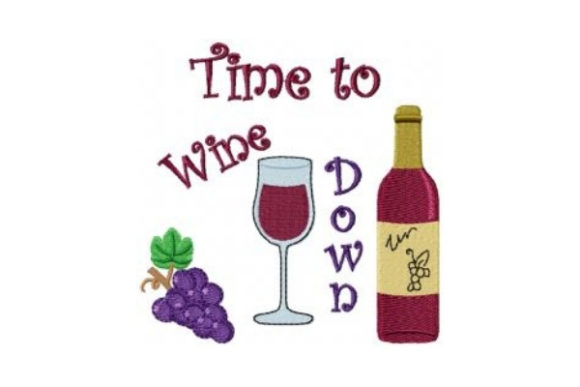
As someone who spends more time at the hoop than I do relaxing, I am always skeptical of novelty designs. Too often, "fun" themes result in clunky digitizing that looks great on a screen but turns into a bird's nest on fabric. However, when I pulled up the Time to Wine Down machine embroidery design for a potential client project, my initial impression was surprisingly positive. This isn't just a clip-art style graphic; it has a visual personality that suggests relaxation and sophistication, making it a viable asset for serious craft businesses and boutique owners.
The mood this design creates is immediate. It captures that specific end-of-day feeling without being overly cartoonish. The layout feels balanced, with a flow that guides the eye naturally across the motif. For embroidery designers and Etsy sellers looking to expand their catalog beyond generic florals, this piece offers a thematic shift that appeals to adult demographics. Whether you are creating custom apparel for a bridal party or stitching a personalized gift for a hostess, the aesthetic fits seamlessly into modern home decor and lifestyle products.
Putting the Design to the Test: A Real-World Scenario
To truly evaluate an embroidery file, you have to imagine it in a finished product. I recently envisioned using Time to Wine Down for a line of kitchen textiles aimed at small shop products. Specifically, I pictured this stitched onto a high-quality linen tea towel. The texture of linen paired with the smooth coverage of a well-digitized fill stitch can elevate a simple kitchen accessory into a boutique item.
In this scenario, the design would sit centered on the lower third of the towel. Because the theme is wine, it pairs exceptionally well with deep reds, burgundies, or even a monochromatic charcoal thread on natural fabric. If I were producing these for a holiday embroidery collection, I could easily swap the thread colors to match seasonal palettes without losing the design's integrity. The visual appeal here is strong; it doesn't scream "novelty gift" but rather whispers "thoughtful handmade product." This distinction is crucial for maintaining customer trust and justifying a higher price point on platforms like Etsy or at local craft fairs.
Beyond kitchen linens, this design shines on custom apparel. Imagine a cozy sweatshirt embroidery project for a girls' night out or a bachelorette party. Placed on the left chest or as a larger back print, the design holds its own. The shape is compact enough not to overwhelm a garment but detailed enough to be noticed. For apparel decorators, this versatility means one digital embroidery file can serve multiple revenue streams, from wearable goods to home accents.
Technical Considerations and Fabric Compatibility
While the artistic merit is high, a professional review must address the technical execution. The description notes that this machine embroidery design comes with multiple embroidery file formats, which is essential for compatibility across different brands of machines. However, before committing to a production run, there are several factors to consider regarding where the design should be used carefully.
First, consider the stitch density. Designs with a "relaxed" theme sometimes utilize lighter densities to save thread, but this can lead to gaps on textured fabrics. If you plan to stitch this on a loopback French terry sweatshirt or a waffle-weave towel, you must test the design on scrap fabric first. You may need to adjust your stabilizer choice; a cut-away stabilizer might be necessary to prevent puckering on stretchy fabric, whereas a tear-away could suffice for stable woven cottons.
Small hoop sizes present another challenge. If your intended project is a cap or a small embroidered patch, verify the dimensions of the design against your hoop size. Curved surfaces like caps require careful hooping and often a different approach to underlay stitches to ensure the design lays flat. Additionally, if the design includes any tiny lettering or fine details, inspect them closely. On dark fabric, light thread colors may show the backing material if the stitch coverage isn't dense enough. I always recommend testing it in black and white mockups digitally, and then physically stitching a sample on both light and dark fabric backgrounds to check contrast and clarity.
Enhancing Brand Value and Customer Engagement
For creative entrepreneurs and digital product sellers, the value of a design like Time to Wine Down extends beyond the stitch count. It is about brand consistency and recognition. Using high-quality design assets signals professionalism. When a customer receives a tote bag design or a pillow cover with crisp, clean stitching and no pull-outs, their perception of your brand improves instantly.
This design supports various commercial embroidery projects because it taps into a popular lifestyle niche. Wine enthusiasts are a dedicated market, and they appreciate products that reflect their interests with taste. By offering a finished product that looks polished, you increase buyer engagement. Whether it is a baby embroidery item for a new mom who enjoys a glass of wine after bedtime (a growing niche!) or a sophisticated apron for a cooking class instructor, the application is broad.
Furthermore, for those selling digital files, the presentation matters. When creating printable mockups for your shop, ensure the preview images highlight the texture of the stitches. Show the design on different materials to help hobbyists and makers visualize the potential. A well-presented embroidery project listing can significantly boost sales compared to a flat, untextured image.
Final Verdict and Practical Notes
In conclusion, Time to Wine Down is a solid contender for your library of design assets. It balances fun with functionality, making it suitable for both personal gifts and commercial ventures. However, success lies in the preparation. Always confirm licensing terms before selling finished items or digital products, as rights can vary between designers.
Before starting your next embroidery project, remember these practical steps:
- Check thread color contrast to ensure the design pops on your chosen fabric texture.
- Review stitch density settings, especially if working with applique design techniques or layered garments.
- Use the proper stabilizer for the specific weight and stretch of your material.
- Inspect small details and corners to ensure they will stitch out cleanly without trimming issues.
- Verify the hoop size requirements to avoid last-minute resizing that could distort the art.
Ultimately, this design offers a reliable way to add character to your creations. With the right materials and a bit of testing, it can become a staple in your small shop product lineup, delivering joy to customers who are ready to relax.