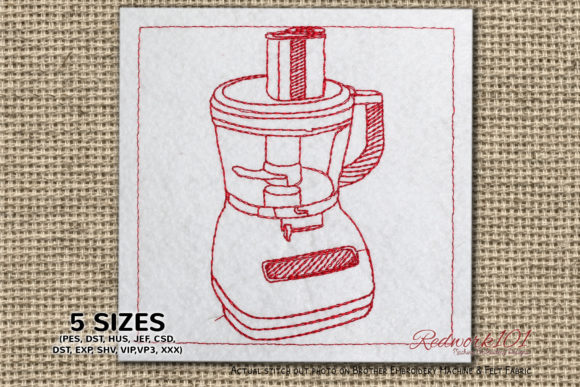
Food Processor Redwork Review
As an embroidery designer with years of experience, I’ve had the chance to test the Food Processor Redwork design for personalized gift products. This machine embroidery design offers a unique blend of charm and practicality that can elevate a variety of handmade items. Whether you're an Etsy seller, a small shop owner, or a craft enthusiast, understanding how this design performs is essential before using it on real customer orders.
The First Impression: Mood and Detail
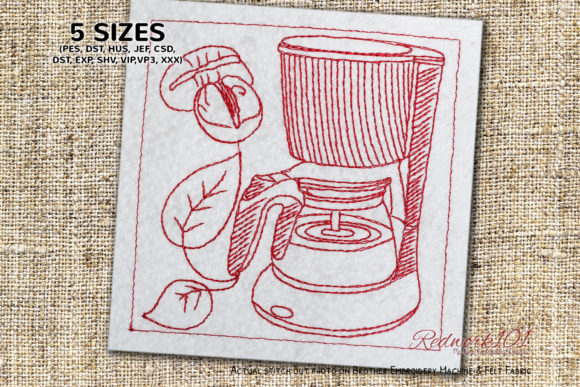
Food Processor Redwork has a nostalgic, handcrafted feel that immediately evokes warmth and simplicity. The design’s style leans into classic redwork aesthetics—think bold outlines, minimal color, and a focus on clean lines. It feels elegant yet approachable, making it ideal for gifts that carry emotional weight, like baby blankets or wedding keepsakes.
The level of detail is impressive for a simple design. While it doesn’t feature intricate patterns, the way the stitches are placed gives it a subtle texture that adds visual interest. It’s not overly complex, which makes it versatile for different fabric types and project sizes.
Emotional Appeal and Versatility
This design works well for customers looking for something meaningful. Its kitchen theme ties it to home life, making it perfect for personalized kitchen towels, aprons, or pillow covers. But its charm extends beyond the kitchen—its soft, handmade look also appeals to those seeking a romantic or seasonal touch for weddings or nursery decor.
For baby embroidery, Food Processor Redwork could be used on onesies, blankets, or sleep sacks. Its simplicity ensures it won’t overwhelm delicate fabrics, while its clean lines make it easy to read at a glance. As a wedding gift, it could be stitched onto table runners, napkins, or even custom tote bags for guests.
Where to Use Food Processor Redwork
There are countless ways to incorporate Food Processor Redwork into your product lineup. Here are some popular applications:
- Baby embroidery: Perfect for onesies, burp cloths, or swaddle blankets.
- Wedding gifts: Ideal for table linens, napkin rings, or guest favors.
- Family keepsakes: Great for embroidered towels, pillow covers, or wall art.
- Personalized towels: Adds a custom touch to bath sets or kitchen accessories.
- Nursery decor: Can be used on curtains, pillows, or wall hangings.
- Tote bags and aprons: A stylish addition to everyday wearables.
- Blanket embroidery: Enhances comfort with a personal touch.
- Craft fair products: Attracts buyers looking for handmade quality.
- Etsy listings: Offers a unique, customizable option for digital product sellers.
- Custom order previews: Helps clients visualize their personalized gift before production.
When to Use Caution
While Food Processor Redwork is generally reliable, there are situations where it may not perform as expected:
- Small lettering: Avoid using it for text that needs to be very tiny or densely packed.
- Delicate details: The design may not hold up well on extremely fine or intricate elements.
- Textured fabric: Stitches may not sit flat on rough or uneven surfaces.
- Thick towels: May require additional stabilizer to prevent puckering.
- Stretchy baby clothes: Consider adjusting stitch density for better durability.
- Curved surfaces: The design may not align perfectly on rounded edges.
- Dark fabric: Ensure thread colors contrast well for visibility.
- Frequent washing: Check if the design holds up after multiple cycles.
Impact on Giftability and Customer Trust
Food Processor Redwork enhances the giftability of any product it’s applied to. Its handmade aesthetic builds trust with customers who value authenticity. When paired with high-quality fabric and proper finishing, it can significantly boost perceived value, especially for small shop products or Etsy listings.
From a marketing perspective, the design helps create an emotional connection between the buyer and the item. Whether it's a baby blanket for a new parent or a kitchen towel for a loved one, the design adds a layer of thoughtfulness that resonates with many consumers.
Practical Embroidery Notes
Before using Food Processor Redwork on client orders, here are some key steps to follow:
- Test on scrap fabric: Always try the design on a similar material first.
- Check thread color contrast: Make sure the colors work well against your chosen fabric.
- Confirm hoop size: Ensure the design fits within your machine’s hoop dimensions.
- Review stitch density: Adjust if needed for better coverage or durability.
- Use proper stabilizer: Especially important for stretchy or textured materials.
- Compare light and dark fabric mockups: See how the design looks in different settings.
- Check small details after stitching: Look for any missed areas or misaligned stitches.
- Confirm commercial licensing: Make sure you have the rights to sell finished products.
Final Thoughts
Food Processor Redwork is a solid choice for personalized gifts that combine charm with functionality. Its clean design and adaptable nature make it suitable for a wide range of projects, from baby items to wedding decor. However, like any embroidery file, it requires careful consideration of fabric type, thread color, and stitch settings to ensure the best results.
Whether you’re an embroidery maker, a gift shop owner, or a digital product seller, testing this design thoroughly will help you deliver a high-quality handmade product that meets customer expectations. With the right approach, Food Processor Redwork can become a valuable addition to your collection of custom embroidery designs.