Crane Fly Redwork: A Seasonal Embroidery Review
As an embroidery designer preparing for the upcoming holiday rush, my inbox is flooded with new digital embroidery file releases. The pressure to curate a collection that feels both fresh and timeless is immense. When I opened the preview for Crane Fly Redwork, I immediately paused. In a sea of snowflakes and reindeer, this design offers a unique pivot toward rustic charm and nature-inspired aesthetics. While categorized under Bugs, the execution here transcends simple entomology; it taps into the cottage-core trend that has dominated social media and Etsy seller strategies for the last few years. This review breaks down how this specific machine embroidery design can be leveraged for seasonal products, home decor, and high-margin gift items.
First Impressions: Rustic Elegance Meets Holiday Nostalgia
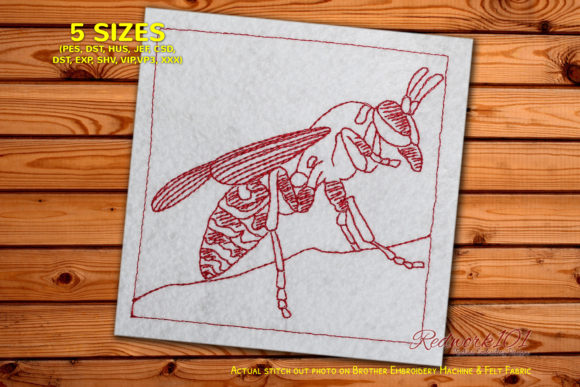
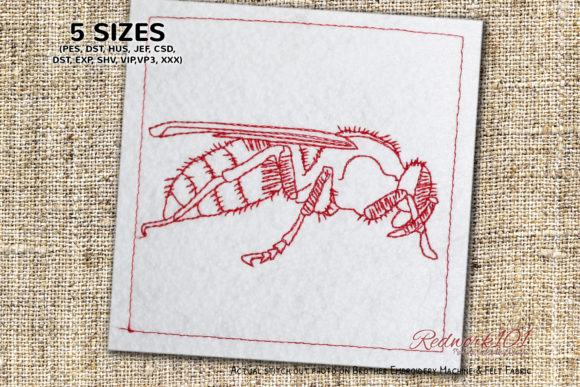
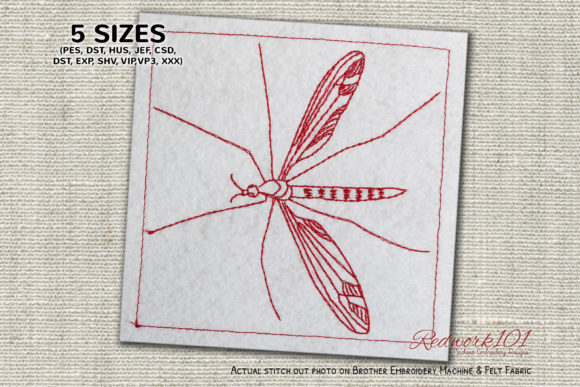
The immediate emotional tone of Crane Fly Redwork is one of quiet nostalgia. Unlike the bold, saturated colors often associated with summer insect designs, the redwork style—typically utilizing a single thread color on a neutral background—lends itself perfectly to autumn and winter palettes. It feels cozy, slightly vintage, and undeniably elegant. For a small shop product line, this versatility is gold. It avoids the "kitsch" trap that some bug designs fall into, instead offering a sophisticated look that appeals to customers seeking handmade gift options with a story.
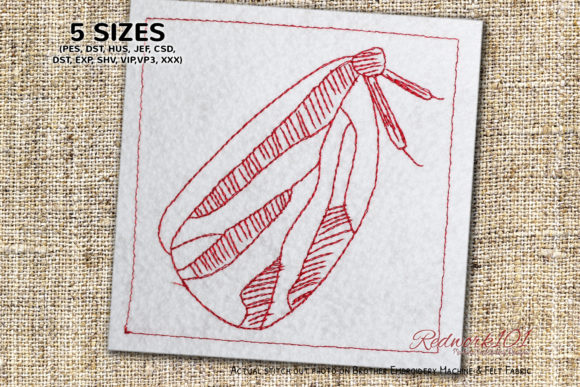
The detail level is crisp without being overly dense. In redwork, every stitch counts because there are no fill stitches to hide imperfections. This design appears to balance fine lines with structural integrity, making it suitable for items where texture is key. Whether placed on a rough linen kitchen towel embroidery project or a soft fleece sweatshirt, the silhouette of the crane fly stands out as a deliberate artistic choice rather than a random graphic.
Strategic Product Placement for the Holidays
When planning a seasonal collection, context is everything. Here is how Crane Fly Redwork performs across various product categories:
- Sweatshirt Embroidery: Placed on the left chest or sleeve of an oversized cream or sage green hoodie, this design creates a subtle, nature-loving vibe. It works exceptionally well for "matching family" sets where each member gets a different local insect or nature element.
- Tote Bag Design: Canvas totes are holiday staples. A large-scale version of this design on a natural canvas bag, perhaps paired with a handwritten-style font, makes for a perfect gift for gardeners or hikers.
- Kitchen Towel Embroidery: This is arguably the strongest use case. Redwork has deep historical roots in kitchen linens. Using a deep cranberry or forest green thread on a waffle-weave towel creates an instant heirloom feel.
- Pillow Cover: For home decor, stitching this onto a burlap or linen pillow cover adds a touch of rustic whimsy to a living room mantle.
- Embroidered Patch: If your equipment supports it, creating iron-on patches allows customers to customize their own jackets or hats, increasing the perceived value of the finished product.
Navigating Technical Challenges and Fabric Textures
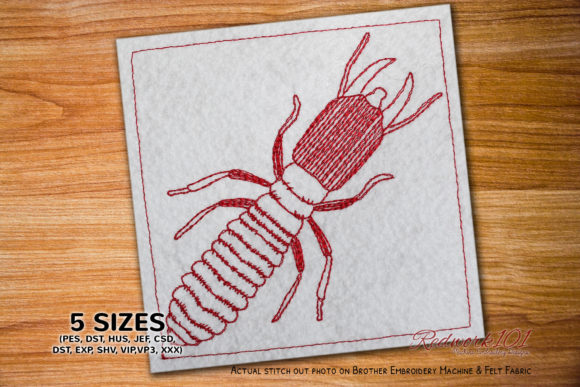
While the aesthetic appeal is high, a professional designer must address the technical realities of production. The product description notes that "The Box Stitch shown in picture is optional." This is a crucial detail for commercial embroidery. If you are stitching on dark fabric, skipping the box outline might make the design float too loosely, whereas on light fabric, it provides a nice frame. However, you must verify if the outer box color matches your thread palette, as the description states it is often a different color.
There are specific scenarios where caution is required:
- Stitch Density: Redwork relies on running stitches. On thick towels or heavy sweatshirts, ensure your stabilizer game is strong. Without proper backing, the long runs of stitching can pucker or sink into the fabric texture.
- Small Hoop Sizes: If you plan to use this on baby items or curved caps, check the dimensions against your smallest hoop. Do not attempt to resize the design beyond recommended limits, as this alters the stitch density and can cause thread breaks.
- Thread Colors: Test your thread colors on both light and dark fabrics before committing to a production run. A thread that looks vibrant on white cotton may disappear on navy blue fleece.
- Washability: Items like kitchen towels and aprons undergo repeated washing. Ensure the start and end points of the stitching are secure to prevent unraveling.
Boosting Seasonal Appeal and Buyer Emotion
In the crowded marketplace of holiday shopping, visual recognition is vital. Crane Fly Redwork offers a break from the standard holiday tropes. It signals to the buyer that this is a thoughtful, curated item. For Etsy listings, this translates to higher engagement. Customers looking for personalized gift ideas often search for terms like "nature lover," "cottage core," or "rustic decor." This design hits those keywords naturally.
Furthermore, the simplicity of redwork allows for easy customization. You can easily add a monogram or a date below the crane fly without cluttering the design. This flexibility increases the giftability of the item. When creating printable mockup graphics for social media previews, pair the stitched item with dried flowers, wooden elements, or warm lighting to enhance the seasonal mood. This builds brand consistency and trust, showing customers that you understand current design trends.
Designer Notes for Commercial Success
Before adding Crane Fly Redwork to your inventory, take these practical steps. First, confirm the hoop size requirements and ensure they fit your most-used machines. Second, since the file format and exact stitch count were not explicitly detailed in the initial description, always download the test file to inspect the stitch path. Third, review the licensing terms carefully. Just because a design is available does not guarantee it is cleared for commercial embroidery use; always verify you have the right to sell finished goods.
Finally, consider the thread palette. While traditional redwork uses red, don't be afraid to experiment with metallic threads for a holiday twist or variegated threads for a dynamic look on a tote bag design. However, remember that complex threads can sometimes obscure fine details in redwork.
In conclusion, Crane Fly Redwork is a versatile asset for any embroidery business looking to expand beyond traditional holiday motifs. Its ability to bridge the gap between nature appreciation and seasonal decor makes it a standout choice for sweatshirts, linens, and gifts. By paying attention to stabilizer choices, fabric textures, and licensing details, you can turn this simple embroidery file into a best-selling component of your holiday collection.