Eating Baby Bear: A Craft Fair Embroidery Review
As an embroidery designer preparing for a busy weekend at the local artisan market, my table needs to tell a story instantly. Customers walk by quickly, so every craft fair product on display must grab attention within seconds. Today, I am reviewing the Eating Baby Bear machine embroidery design to decide if it earns a prime spot on my booth samples. This isn't just about whether the file opens correctly; it is about whether this specific image will convert browsers into buyers when stitched onto real goods.
First Impressions and Market Appeal
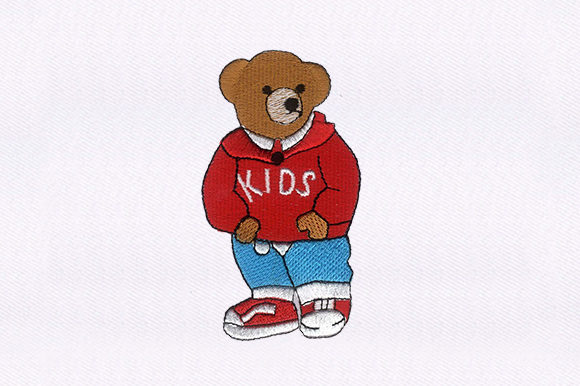
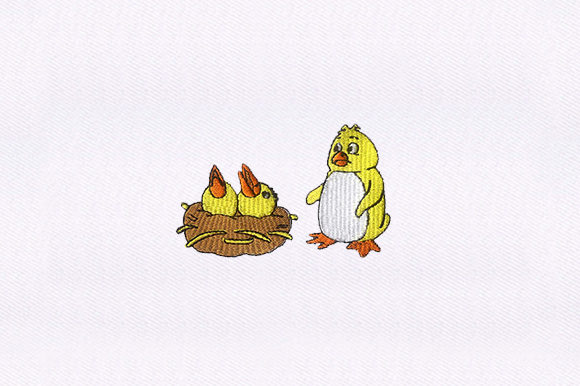
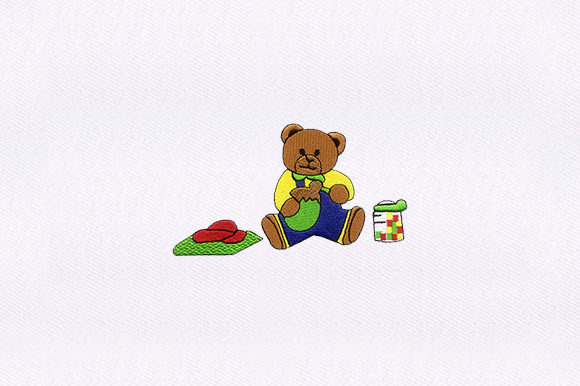
The title Eating Baby Bear immediately suggests a narrative that is both whimsical and endearing. In the world of Baby Animals themed Embroidery, there is a fine line between generic and genuinely charming. This design feels like it leans heavily into the "cute" and "soft" aesthetic, which is a massive seller for boutique makers targeting parents and gift-givers. When I visualize this on a display table, it doesn't scream "rustic farmhouse" as much as it whispers "modern nursery" or "playful children's boutique."
For an Etsy seller or a physical booth owner, the emotional connection is key. A bear eating something—whether it is honey, berries, or just a snack—implies action and personality. This makes the finished product feel less like a static decoration and more like a character. That kind of personality drives impulse buys, especially when the item is priced as an affordable small shop product.
Product Versatility and Placement Strategy
To maximize sales, I need to know where Eating Baby Bear performs best. Not every surface is created equal for this type of imagery. Here is how I evaluate its potential across different items:
- Tote Bags and Market Bags: This is likely the strongest contender. A tote bag design needs to be visible from a distance. If the bear has bold outlines and clear features, it becomes a walking advertisement for my brand. The center of a canvas tote provides ample space for the design to breathe without losing detail.
- Aprons and Tea Towels: Apron embroidery and tea towel embroidery are staples of the handmade market. However, kitchen textiles often have loops or textures that can interfere with fine details. If Eating Baby Bear has small elements, they might get lost in the weave of a waffle towel. It would shine brighter on a smooth linen apron pocket.
- Caps and Patches: Curved surfaces like caps are tricky. An embroidered patch featuring this bear could be a huge hit if applied to denim jackets or baby bags, allowing the customer to move the design wherever they want. On a cap, the design must be simplified to avoid distortion on the front panel.
- Pillow Covers and Pouches: These make excellent high-margin gifts. A zippered pouch with this bear feels premium and personal. Pillow covers allow for larger stitch counts, letting the thread colors blend beautifully for a painterly effect.
Production Realities and Technical Considerations
Before committing to batch production, I have to look at the technical specs. The product description lists a wide array of embroidery file formats including DST, PES, EXP, JEF, and XXX. This compatibility is crucial for commercial embroidery because it means I can run this on almost any machine in my studio, from older models to new multi-needle units. However, the sheer number of formats tells me nothing about the stitch density or the actual hoop size required.
This is where caution is necessary. A design titled Eating Baby Bear might involve intricate detailing around the mouth or paws to show the "eating" action. High stitch density in these areas can cause puckering, especially on stretchy fabrics or textured towels. If the design relies on tiny satin stitches for whiskers or food items, those details could vanish when viewed from three feet away at a craft fair.
Furthermore, the choice of stabilizer will make or break this project. For a handmade product that needs to withstand washing (like a bib or towel), a cut-away stabilizer is non-negotiable to prevent the bear from warping over time. On a tote bag, a tear-away might suffice, but testing is mandatory.
Visual Impact and Photography
In the digital age, my booth display must also translate well to online listings. When creating a printable mockup or taking photos for an Etsy listing, Eating Baby Bear needs contrast. If the bear is brown and I stitch it on a navy blue bag, the definition might be lost. I would recommend stitching this on light creams, soft greys, or pastel backgrounds to ensure the design assets pop.
Customers engage with products that look easy to understand at a glance. If the "eating" aspect is ambiguous, the charm is lost. The design must clearly depict the action to trigger that "aww" response. If it works as a large focal design, it commands a higher price point. If it works better as a small accent on a collar or cuff, it serves as a subtle branding element.
Designer Notes for Successful Execution
To ensure Eating Baby Bear becomes a best-seller rather than a bin filler, I follow a strict pre-production checklist:
- Test on Scrap Fabric: Never stitch a final product without a test run. Check how the threads interact with the specific fabric texture you plan to sell.
- Check Thread Contrast: Ensure the food item the bear is eating contrasts sharply with the bear's fur and the background fabric.
- Review Spacing: Look for underlay issues. Are there gaps between color blocks that show the fabric underneath?
- Confirm Hoop Size: Since the exact dimensions aren't listed in the description, verify the required hoop size against your machine's capabilities before purchasing.
- Inspect Stitch Density: Run your finger over the test stitch-out. Is it too stiff? Does it pucker the fabric?
- Create a Real Mockup: Digital printable mockups are great for planning, but holding the actual stitched item helps judge the true quality.
- Compare Fabric Colors: Try the design on at least three different fabric colors to see which yields the highest visual appeal.
- Verify Licensing: Before selling any finished product, confirm the commercial licensing terms associated with this digital embroidery file.
Ultimately, Eating Baby Bear has the potential to be a standout star in a Baby Animals collection. Its success depends entirely on execution. By choosing the right products, managing the technical limitations of Embroidery, and presenting it with high-quality finishing, this design can significantly boost buyer engagement and brand consistency. For the craft fair seller, it represents not just a pattern, but an opportunity to create a memorable, tactile experience for every customer who stops at the booth.