Baby Bear with the Heart in Hands: A Pro Review
As an embroidery designer who has spent years digitizing and reviewing files for commercial use, I approach every new machine embroidery design with a critical eye. It is not just about whether a motif looks cute on a screen; it is about how that digital embroidery file translates into a tangible asset for a small business. Today, I am reviewing "Baby Bear with the Heart in Hands," an applique design categorized under Wild Animals. While the subject matter suggests a playful tone, my focus is strictly on its viability for branded merchandise, staff uniforms, and high-value product lines.
First Impressions and Visual Personality
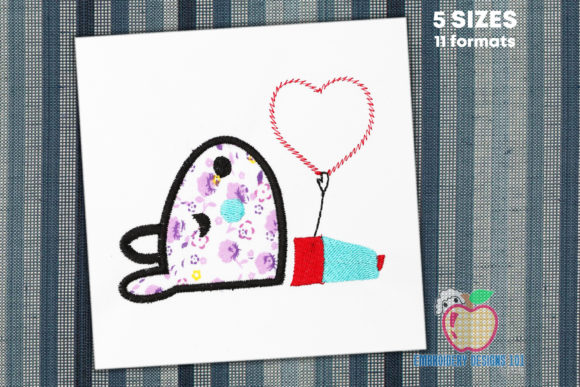
Upon initial inspection, "Baby Bear with the Heart in Hands" projects a distinctively friendly and handmade aesthetic. The concept of a bear holding a heart immediately evokes feelings of care, warmth, and community. For businesses in the boutique, bakery, florist, or pet care sectors, this visual personality is gold. It strikes a balance between rustic charm and modern simplicity. Unlike aggressive wildlife imagery, this design feels approachable, making it an excellent candidate for brands that want to emphasize customer service and personal touch.
The description notes that this is an applique design. In the world of commercial embroidery, applique is often superior to standard satin stitching for larger areas because it reduces bulk and adds a unique fabric texture. This gives the finished product a premium, layered look that stands out against flat embroidery. However, the success of this look relies heavily on the precision of the cut and the quality of the fabric used for the bear and the heart elements.
Real-World Business Applications
Where does "Baby Bear with the Heart in Hands" fit in a real business scenario? I envision this design thriving in several specific niches. For a local coffee shop or a children's boutique, this motif works beautifully as an embroidered patch sewn onto canvas tote bags. The heart element serves as a subtle nod to the love put into their products.
For staff uniforms, particularly in creative studios or pet grooming salons, this design could be applied as a chest logo accent on work shirts or as a detailed feature on aprons. Apron embroidery requires durability, and if the applique edges are well-secured, this design can withstand the rigors of daily wear while maintaining a soft, inviting brand image. Additionally, for Etsy sellers creating handmade goods, adding this as a label or a small accent on packaging can significantly elevate the perceived value of the item.
The versatility extends to cap embroidery as well. A structured cap featuring this bear on the front panel can become a signature piece for a brand's merchandise line. Because the design involves a heart, it also makes for an excellent limited-edition run for Valentine's Day or community charity events, allowing businesses to create timely, relevant small business merch without needing a completely new design asset.
Technical Considerations for Production
While the artistic potential is high, there are technical hurdles to consider before running this embroidery file on a production machine. The description mentions that steps are separated by colors, which is standard, but it does not specify the exact stitch count or recommended hoop size. As a professional, I must advise readers to verify these details in the download package before committing to a large order.
Applique designs inherently require more setup time than standard embroidery. You must account for the placement stitch, the tack-down stitch, the cutting phase, and the final cover stitch. If you are producing these for a client, your pricing model needs to reflect this extra labor. Furthermore, stitch density is crucial. If the density is too high on the bear's outline, it may cause puckering, especially on lighter fabrics like cotton tees or linen aprons.
Fabric texture plays a massive role here. On textured materials like twill or denim, the applique will sit nicely. However, on stretchy knits or very thin performance fabrics, the weight of the applique layers might distort the garment. Always test on a scrap piece of the actual material intended for the custom apparel. Using the correct stabilizer is non-negotiable; a cut-away stabilizer is likely necessary to support the weight of the applique and prevent the design from sagging over time.
Brand Identity and Customer Trust
Incorporating "Baby Bear with the Heart in Hands" into your catalog does more than just decorate a product; it shapes brand identity. Consistency is key. If your brand voice is warm, nurturing, and community-focused, this design reinforces that message visually. Customers often associate high-quality embroidery with professionalism. A cleanly executed applique design signals that a business cares about the details, which builds trust.
For handmade brands, this design enhances the "crafted" narrative. It proves that the items are not mass-produced in a factory but are carefully assembled with attention to detail. This perception allows businesses to command higher price points. Whether used on a product tag, a gift bag, or a staff uniform, the visual consistency of using such a distinct motif helps with brand recognition. When a customer sees that bear holding a heart, they should immediately think of your specific shop or service.
Critical Areas for Caution
Despite its charm, there are scenarios where "Baby Bear with the Heart in Hands" should be used carefully. Small patch sizes can be problematic. If the design is scaled down too much for a tiny sleeve logo or a child's sock, the details of the bear's face and the heart's shape may merge, resulting in a muddy, indistinguishable blob. Always check the minimum size recommendation provided with the design assets.
Curved surfaces, such as the front of a unstructured cap, present another challenge. The rigid nature of applique fabric may not conform perfectly to a tight curve, leading to wrinkling or lifting at the edges. Additionally, if you plan to use this on dark uniforms, ensure that the thread colors and applique fabrics have sufficient contrast. A dark bear on a navy shirt might disappear unless outlined with a contrasting border.
Frequent washing is another factor. Items like kitchen aprons or gym towels undergo harsh treatment. Ensure the satin stitches covering the raw edges of the applique are dense enough to prevent fraying after multiple wash cycles. If the design includes any tiny lettering or intricate internal details, these are the first areas to degrade if the digitizing is not top-tier.
Designer Notes for Best Results
To ensure the best outcome with "Baby Bear with the Heart in Hands," I recommend a strict testing protocol. First, stitch the design out in black and white or grayscale. This removes the distraction of color and allows you to see the structure, spacing, and density clearly. Check if the design holds up at the smallest size you intend to use.
Review the thread color contrast carefully. Even though it is an applique, the stitching threads define the shape. Inspect the spacing between the bear and the heart to ensure they do not bleed into each other. Confirm the hoop size required; if it requires a large hoop, it may limit your ability to embroider on smaller items like infant onesies or narrow hat brims.
Always create a printable mockup for client approval before cutting any expensive fabric. Show them how the design looks on the specific garment color and material. Compare it beside other design assets in your collection to ensure it fits the overall visual theme. Finally, and most importantly, confirm the commercial licensing terms. The description states it comes with multiple file formats for multiple machines, but you must verify that the license permits unlimited production for resale, especially if you are an embroidery shop fulfilling orders for third-party clients.
In conclusion, "Baby Bear with the Heart in Hands" is a versatile and emotionally resonant design that, when executed with technical precision, can be a powerful tool for small business branding. By respecting the limitations of applique and understanding the nuances of fabric and stabilization, embroidery professionals can turn this wild animal motif into a cornerstone of a successful merchandise line.