Creepy Botfly: A Bold Review for Branded Merch
As an embroidery designer who has spent years digitizing and testing files for small business clients, I approach every new machine embroidery design with a critical eye. It is not just about whether the image looks cute on a screen; it is about how that digital embroidery file translates into a tangible asset for a brand. Today, I am reviewing the Creepy Botfly, a design categorized under Bugs, specifically evaluating its potential for commercial embroidery projects, branded patches, and small business merch.
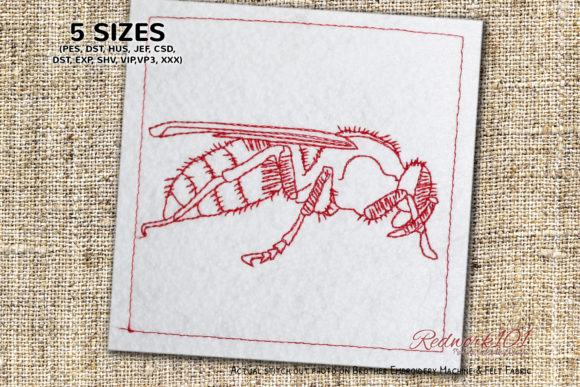
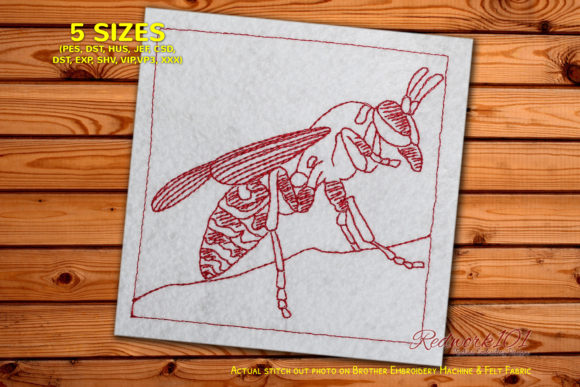
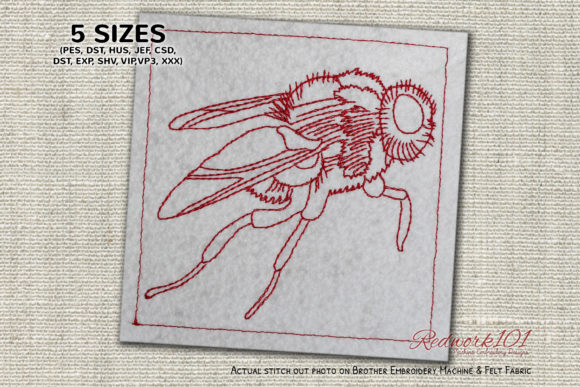
The first impression of the Creepy Botfly is distinct. It does not scream "friendly" or "playful" in the traditional sense of a cartoon mascot. Instead, it leans heavily into a rustic, edgy, and slightly macabre aesthetic. For specific niches—such as outdoor adventure brands, horror-themed boutiques, gothic apparel lines, or even biological science educators—this personality is a goldmine. However, for a generalist bakery or a children's party planner, this design requires careful consideration. The visual weight of the subject matter suggests a bold statement piece rather than a subtle background element.
Real-World Application for Small Business Owners
When imagining where the Creepy Botfly fits into a product lineup, my mind immediately goes to the booming market of embroidered patches. Patches are versatile design assets that allow customers to customize their own gear. A streetwear brand could sell this as an iron-on or sew-on patch, allowing buyers to add an edge to denim jackets or backpacks. The description notes that "The Box Stitch shown in picture is optional," which is a crucial detail for patch makers. Removing the outer box can create an organic, die-cut style patch that follows the contours of the insect, often looking more premium and modern than a standard square or circle border.
Beyond patches, consider the utility of this design on custom apparel for staff uniforms in niche environments. Imagine a taxidermy shop, a specialized gardening center focusing on native ecosystems, or a Halloween attraction. Embroidering the Creepy Botfly on the sleeve of a work shirt or the chest pocket of a heavy-duty apron adds immediate character. It signals to the customer that the business embraces the raw, unfiltered side of nature. For a florist who specializes in exotic or carnivorous plants, this apron embroidery could serve as a conversation starter, distinguishing their brand from the typical floral imagery.
The design also holds promise for cap embroidery. Caps are high-visibility items, and a bold bug design on the front panel can define a brand's identity instantly. However, the curvature of a cap requires a digitizing style that handles pull compensation well. If the stitch density is too high, the fabric may pucker, distorting the creepy details of the botfly. Similarly, for tote bag design, this motif works well on canvas materials where the texture of the fabric complements the rugged look of the insect.
Technical Considerations and Production Challenges
Before running this embroidery file on a production machine, there are several technical factors a professional must address. The description mentions that "The color of outer Box is different color in most of the designs unless it is part of the design itself, you can skip the color directly." This implies flexibility in the file structure, likely separated by color stops. As a designer, I advise testing the design in black and white first. High-contrast monochrome versions often reveal if the thread colors provide enough separation between the body of the fly and its wings or legs. If the details blend together in grayscale, they will likely get lost when stitched onto dark uniforms or textured fabrics.
Size matters immensely with intricate subjects like insects. If you intend to use the Creepy Botfly as a tiny logo on a collar tag or a small pocket emblem, you must verify the minimum viable size. Fine details in the legs or eyes can turn into a muddy blob if scaled down too far without re-digitizing. Always check the recommended hoop size provided with the file download. If the file is large, ensure your machine frame can accommodate it, or be prepared to split the design if necessary, though splitting is rarely ideal for a single cohesive image like this.
Fabric selection is another critical variable. The fabric texture of the final product interacts directly with the stitch type. On a smooth polo shirt, the details will pop. On a rough, woven canvas tote or a fuzzy fleece hoodie, the edges might soften. Using the correct stabilizer is non-negotiable here. For a design with potentially high stitch counts and detailed outlines, a cut-away stabilizer is usually superior to tear-away, ensuring the finished product maintains its shape after repeated washing. This is especially true for items like aprons or work shirts that face frequent laundering.
Impact on Brand Identity and Customer Trust
Incorporating the Creepy Botfly into your brand identity is a strategic move. It moves away from safe, generic imagery and establishes a voice that is confident and perhaps a bit rebellious. For handmade product sellers on Etsy or creators of printable mockups, this design adds a layer of authenticity. It tells the customer that the brand is not afraid of the unusual. This can significantly boost buyer engagement within specific communities that value uniqueness over mass-market appeal.
However, professionalism is key. Even a "creepy" design must be executed flawlessly to build customer trust. Sloppy stitching, thread breaks, or poor tension on such a detailed subject can make a brand look amateurish. Ensure that the commercial embroidery process is rigorous. Create a printable mockup for client approval before stitching the final run. Show them how the design looks on the actual garment color they have chosen. Visual consistency across all products—from the patch to the tote bag to the uniform—reinforces recognition and perceived value.
Designer Notes for Commercial Success
To maximize the potential of the Creepy Botfly in your inventory, follow these practical steps:
- Verify Licensing: Before selling any merchandise featuring this design, confirm the commercial licensing terms. Ensure you are allowed to sell physical goods made with this digital embroidery file.
- Test on Real Fabric: Do not rely solely on screen simulations. Stitch a sample on the exact material you plan to sell. Check how the thread colors interact with the fabric dye.
- Optimize the Border: Since the box stitch is optional, experiment with removing it for a cleaner, modern look, or keeping it for a classic patch aesthetic. Compare both versions side-by-side.
- Check Density: Inspect the back of the sample. If there is excessive buildup, the design may be too dense for lightweight fabrics, leading to stiffness or discomfort for the wearer.
- Contextualize the Design: Ensure the "creepy" vibe aligns with your target audience. It is perfect for a Halloween pop-up shop but might confuse customers at a baby shower.
In conclusion, the Creepy Botfly is a specialized tool in the embroidery designer's kit. It is not a one-size-fits-all solution, but for the right small business, it offers a powerful way to stand out. Whether used for cap embroidery, branded patches, or unique product packaging accents, its success lies in thoughtful application and meticulous production. By respecting the technical requirements and understanding the brand narrative it supports, entrepreneurs can turn this quirky bug design into a profitable and memorable component of their small business merch strategy.