Auchenorrhyncha Redwork: A Seasonal Design Review
As an embroidery designer preparing for the upcoming holiday rush, my workflow involves a rigorous vetting process for every new machine embroidery design I consider adding to my seasonal collection. It is not just about whether a file looks cute on a screen; it is about how that digital embroidery file translates into a tangible finished product that customers will love, gift, and cherish. Today, I am taking a close look at Auchenorrhyncha Redwork, a fascinating entry in the Bugs category that offers a unique twist for those seeking something beyond the standard snowflakes and reindeer.
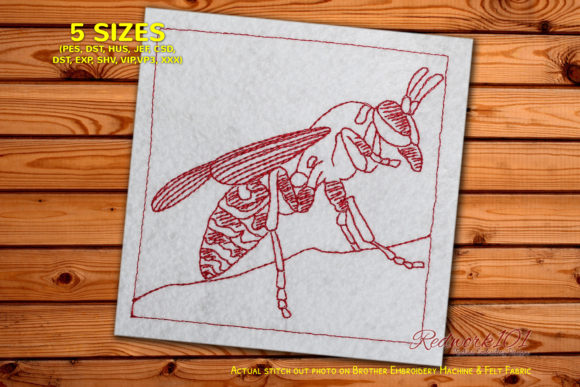
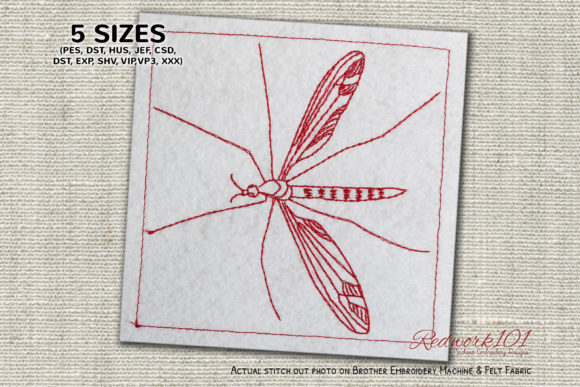
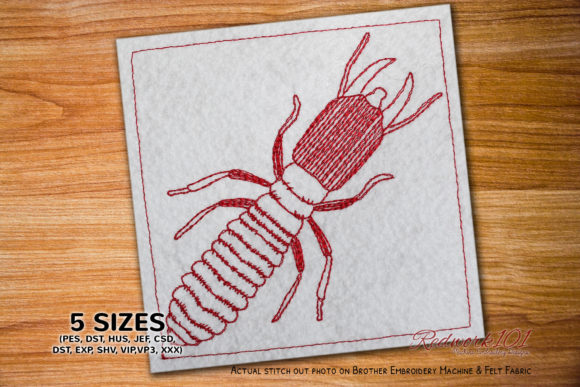
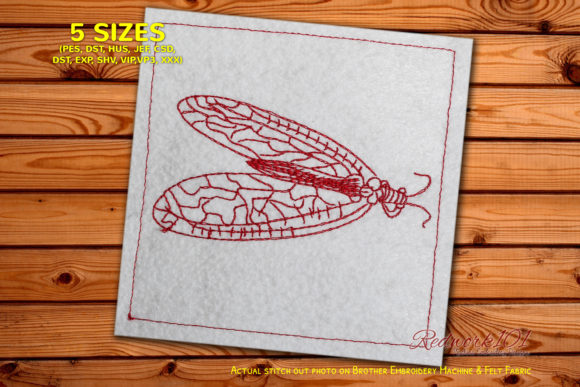
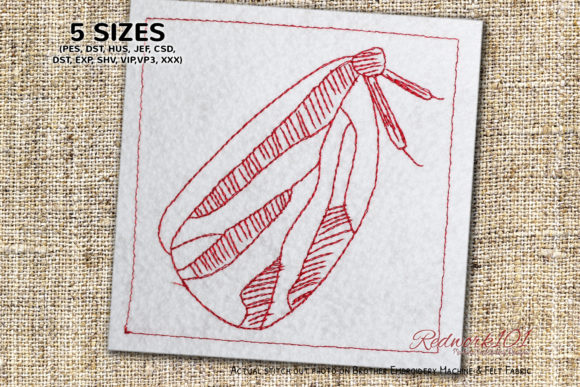
My first impression of Auchenorrhyncha Redwork is one of rustic elegance and scientific nostalgia. In a market saturated with overly cartoonish holiday motifs, this design stands out with its clean lines and classic redwork aesthetic. The emotional tone is grounded and earthy, evoking memories of vintage botanical illustrations and old-fashioned nature journals. While it may not scream "Christmas" in the traditional sense, it fits perfectly into the growing trend of cottage-core holidays and nature-inspired winter decor. For a small shop product line, this design offers a sophisticated alternative that appeals to customers who appreciate entomology, gardening, or simply a more subdued, artistic approach to seasonal embroidery.
Evaluating Holiday Product Potential
When planning a holiday embroidery collection, versatility is key. I immediately began visualizing where Auchenorrhyncha Redwork would shine. The simplicity of the redwork style makes it incredibly adaptable. For sweatshirt embroidery, this design would look stunning on the sleeve or as a small chest pocket detail on a heather grey or cream-colored hoodie. It avoids the bulk of heavy fill stitches, ensuring the garment remains soft and wearable, which is crucial for customer satisfaction during the cold months.
Beyond apparel, the potential for home decor is significant. Imagine this insect motif stitched onto a linen kitchen towel embroidery project, perhaps paired with a sprig of holly or winter berries added manually or through a secondary digitized element. It would also make a charming tote bag design for eco-conscious shoppers carrying their holiday gifts. For those creating personalized gift bundles, stitching this onto a canvas pillow cover or even creating a standalone embroidered patch to be ironed onto a denim jacket adds a layer of uniqueness that mass-produced items cannot match.
For Etsy seller accounts focusing on niche markets, this design is a goldmine. It allows for the creation of limited-edition drops targeting specific interests, such as "Nature Lover's Christmas" or "Scientific Holiday" collections. The visual recognition of the distinct insect shape, rendered in crisp red thread, creates strong brand consistency if used across a series of products like aprons, table runners, or even ornament hoops.
Technical Considerations for Production
While the aesthetic appeal is high, a professional review must address the technical realities of stitching Auchenorrhyncha Redwork. As with any design, understanding the stitch density is vital before committing to a large production run. Redwork designs typically rely on outline stitches, which generally have lower density than satin or fill columns. However, you must still test the design on your specific machine to ensure there are no excessive jumps or trims that could slow down production during the busy season.
One critical note from the product description is that "The Box Stitch shown in picture is optional." This is a fantastic feature for customization. It means you can adapt the embroidery file to fit different hoop size constraints or design preferences. If you are working on a curved cap or a small baby item where a border might feel too restrictive, skipping the box stitch allows the insect motif to float freely. Conversely, keeping the box can frame the design beautifully on a square pillow cover or a structured tote bag.
Fabric choice plays a massive role in the final outcome. On thick towels or textured fabrics, the fine lines of a redwork design can sometimes get lost or appear jagged if the stabilizer is not up to the task. I strongly recommend using a cut-away stabilizer for garments that will undergo repeated washing, ensuring the design retains its shape over time. For stretchy garments like sweatshirts, a lightweight tear-away might suffice, but always test first. Additionally, when working on dark fabric, the traditional red thread pops wonderfully, but you must ensure your thread colors are high-quality and colorfast to prevent bleeding, especially if the finished item is intended as a handmade gift that might be washed frequently.
Marketing and Seasonal Appeal
In terms of commercial embroidery and sales strategy, Auchenorrhyncha Redwork taps into the buyer's desire for authenticity. During the holiday shopping period, customers are often overwhelmed by generic options. A product featuring a detailed, scientifically accurate insect design signals thoughtfulness and curation. This enhances the perceived value of the item, allowing you to price your finished product at a premium compared to basic holiday goods.
To maximize engagement, create realistic printable mockup graphics that show the design in situ—perhaps on a cozy flannel shirt next to a cup of hot cocoa or stitched onto a rustic burlap sack. These visuals help the customer imagine the texture and quality of the fabric texture interacting with the thread. Social media previews showing the stitching process, highlighting the precision of the outlines, can build trust and anticipation for your limited-time product drops.
It is also worth noting where caution is required. If you plan to add tiny lettering or names alongside the insect, ensure your machine can handle small details without tangling. The intricate legs and antennae of the Auchenorrhyncha require a well-maintained needle and proper tension. If you are using metallic thread to add a festive sparkle to the redwork, be prepared to slow down your machine speed to prevent breakage, as metallic threads are less forgiving than standard rayon or polyester.
Final Designer Notes and Licensing
Before integrating Auchenorrhyncha Redwork into your holiday inventory, there are a few housekeeping steps to take. First, always verify the specific file formats included in your download to ensure compatibility with your embroidery machines. Second, since the product description mentions optional elements like the box stitch, spend time editing the file in your digitizing software to confirm the start and end points align with your production workflow.
Most importantly, review the licensing terms associated with this digital embroidery file. While many designers allow for commercial embroidery use on physical goods, restrictions may apply regarding reselling the file itself or using it on certain types of mass-produced items. Confirming these details protects your small business from legal issues down the road.
In conclusion, Auchenorrhyncha Redwork is a compelling addition to a diverse holiday catalog. It bridges the gap between educational art and festive decoration, offering a fresh perspective for apparel decorators and crafters alike. By paying attention to stabilizer choices, fabric pairings, and the optional framing elements, you can transform this single design into a cohesive line of high-value, emotionally resonant products that stand out in the crowded holiday marketplace.