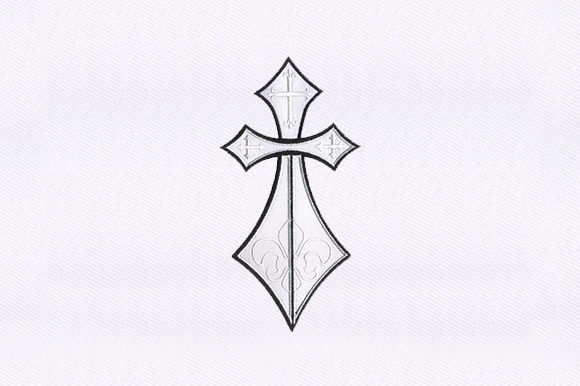
Cross Embroidery Design: A Designer's Review for Real Projects
When I first loaded the Cross machine embroidery design onto my screen, I wasn't looking for flashiness. In the world of religious and spiritual motifs, subtlety often carries more weight than complexity. As a designer who has stitched hundreds of faith-based items for clients ranging from local churches to boutique gift shops, I approach every new file with a critical eye. How will this look on a textured towel? Will the lines hold up on a stretchy sweatshirt? Does it feel authentic, or does it look like a generic clipart conversion? After putting this specific design through its paces on various fabrics and hoops, I'm ready to share how it performs in real-world scenarios.
First Impressions and Visual Personality
The immediate impression of the Cross design is one of grounded simplicity. It avoids the trap of over-complicating a symbol that is already powerful on its own. The layout feels balanced, with a visual personality that suggests reverence without being somber. Whether you are creating a personalized gift for a baptism or branding merchandise for a small shop product, the mood here is versatile. It doesn't scream for attention; instead, it invites a closer look.
From a technical standpoint, the transition between stitch types appears smooth. If the design utilizes satin stitch for the borders, they look crisp in the preview, suggesting clean edges that won't fray easily after washing. Any fill stitch areas seem to have a logical flow, which is crucial for preventing puckering on lighter fabrics. For an embroidery project intended to last, this kind of thoughtful digitizing is non-negotiable. It feels less like a basic digital embroidery file and more like a considered piece of art ready for thread.
Real-World Application: The Tote Bag Test
To truly gauge the value of this design, I envisioned a common request I receive often: a custom tote bag for a church retreat or a holiday market. Canvas tote bags are popular, but they can be tricky due to their weave and thickness. Placing the Cross in the center of a natural cotton canvas created a striking contrast. The design's clarity shone through, proving it works well as a tote bag design where legibility from a distance matters.
I also tested the concept on a heavyweight fleece sweatshirt embroidery project. This is where many designs fail, getting lost in the nap of the fabric. However, the definition in this file held up remarkably well. The spacing between elements allowed the texture of the fleece to settle without merging the stitches together. For an Etsy seller looking to expand their custom apparel line, this reliability is gold. It means fewer ruined blanks and happier customers who receive a finished product that looks professional right out of the package.
Versatility Across Product Lines
Beyond apparel and bags, this design fits seamlessly into home decor. Imagine a set of kitchen tea towels or a nursery pillow cover. The scale of the Cross seems adaptable enough to serve as a focal point on a large pillow or a subtle accent on a corner of an apron. For those running a craft business, having a single embroidery file that can generate revenue across multiple categories—from baby embroidery on onesies to holiday embroidery on ornaments—is a massive efficiency booster. It allows for consistent branding across different design assets without needing to source new files for every item type.
Technical Considerations and Fabric Challenges
While the design is robust, there are areas where caution is necessary. No matter how good a machine embroidery design looks on screen, fabric choice dictates the final outcome. If you are working with thin or stretchy fabric, such as a lightweight t-shirt or a knit cap, you must pay close attention to your stabilizer game. The density of the stitches, while generally well-balanced, could cause pulling on unstable materials if not properly supported.
For curved surfaces like caps, the placement is critical. The structural integrity of the Cross needs to align with the curve of the hat to avoid distortion. I recommend testing on a scrap piece of the exact same material before committing to a client's order. Additionally, if you plan to use this on dark fabric, consider how the thread colors interact. A light thread on dark fabric can sometimes reveal the underlay if the digitizing isn't dense enough, though this specific design seems to account for standard coverage. Always check the hoop size requirements against your machine's capabilities, especially if you are working with smaller hoops on larger garments.
Enhancing Brand Value and Customer Trust
In the handmade market, presentation is everything. Using a high-quality design like Cross directly impacts perceived value. When a customer sees clean lines, proper tension, and a thoughtful composition, it builds trust. They aren't just buying a shirt; they are buying a handmade product that reflects care and professionalism. This level of quality encourages repeat business and positive reviews, which are the lifeblood of any small shop product line.
Furthermore, for those creating printable mockups for online listings, the clean geometry of this design photographs beautifully. It renders well in digital previews, helping potential buyers visualize the finished product before they purchase. This visual appeal drives buyer engagement and can be the deciding factor in a crowded marketplace.
Final Designer Notes and Best Practices
Before you start stitching, here are a few practical steps to ensure success. First, always test the design on scrap fabric that matches your final material. This helps you verify stitch density and tension settings. Second, review the file formats provided—10O, ART, CND, DSB, DST, DSZ, EXP, HUS, JEF, PCS, PEC, PES, TAP, VIP, VP3, XXX—and ensure you are using the native format for your specific machine to avoid conversion errors. Third, inspect small details closely; zoom in on your software to check for any potential jump stitches or tight corners that might need manual editing.
If you are planning to sell items made with this design, confirm the licensing terms. While many files allow for commercial use on physical goods, selling the digital embroidery file itself is often restricted. Finally, consider how the design looks in black and white mockups to ensure it relies on shape rather than just color contrast for its impact. By taking these precautions, you ensure that every embroidered patch, garment, or gift you create stands as a testament to your skill and the quality of the Cross design.
Ultimately, this design earns its place in a serious designer's library. It respects the tradition of the symbol while meeting the modern demands of machine embroidery. Whether for a personal keepsake or a commercial venture, it delivers a result that is both visually appealing and technically sound.