Blue Tang Fish Lineart: A Designer's Review
As an embroidery designer who spends countless hours testing digital embroidery file options for my shop, I am always on the lookout for designs that balance artistic charm with technical reliability. Recently, I had the opportunity to review the Blue Tang Fish Lineart for a potential line of personalized gifts. In the world of machine embroidery design, finding a motif that works across various substrates—from delicate baby clothes to heavy kitchen linens—is a rare find. This review details my experience planning this design into real-world products, offering insights for fellow Etsy sellers, crafters, and small business owners looking to expand their catalog.
First Impressions: Mood and Aesthetic Appeal
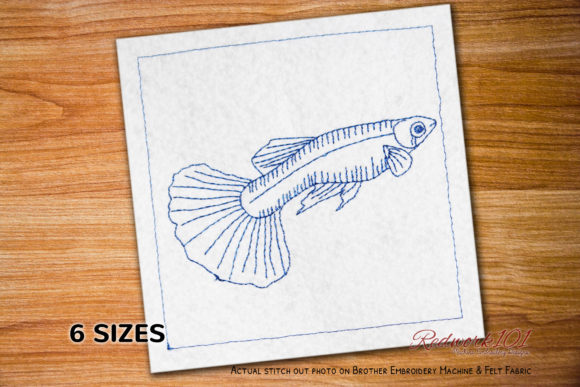
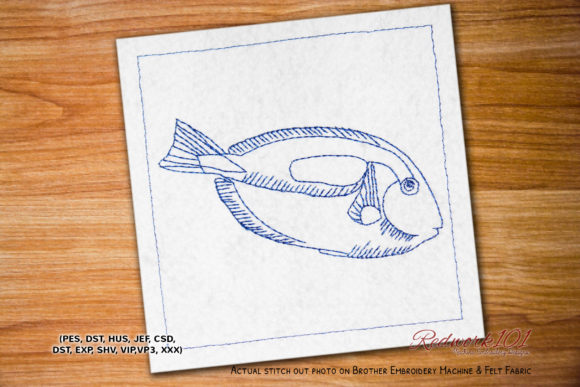
Upon loading the Blue Tang Fish Lineart into my digitizing software, the first thing that struck me was its clean, modern elegance. Unlike some overly complex marine designs that can look cluttered when stitched out, this lineart possesses a minimalist charm. It feels both playful and sophisticated, making it incredibly versatile. The mood is undeniably sweet yet classic, perfect for customers seeking something unique without being too juvenile. For a handmade product line, this aesthetic is gold; it appeals to parents wanting nursery decor, couples seeking wedding keepsakes, and home decorators looking for coastal touches. The simplicity of the lines suggests a high level of craftsmanship, which immediately boosts the perceived value of the finished item.
Versatility in Personalized Gift Products
The true test of any embroidery file is how well it adapts to different applications. I envisioned the Blue Tang Fish Lineart in several scenarios for my custom order previews. For baby embroidery, this design is a standout choice. Imagine a soft muslin swaddle or a organic cotton onesie featuring this gentle fish; it creates an instant emotional connection for new parents. The open lines of the design allow it to breathe on stretchy fabrics, provided the right stabilization is used.
Moving beyond the nursery, this design shines as a wedding gift or family keepsake. I could easily picture it monogrammed alongside a couple's initials on a set of luxury hand towels or a decorative pillow cover for a beach house. For the culinary enthusiast, stitching this onto a linen apron or an embroidered towel adds a whimsical touch to the kitchen. As an Etsy seller, you could market this as part of a "Coastal Collection," offering it on tote bags, blanket embroidery projects, or even as an appliqué patch. The adaptability of this small shop product staple means you can create multiple revenue streams from a single purchase.
Technical Considerations and Fabric Challenges
While the design is beautiful, practical application requires careful attention to detail. When working with thread colors, contrast is key. On dark fabric, the light blue or white threads will pop beautifully, but on white fabric, you must ensure the outline is dense enough to be seen. One specific note regarding the file structure: the product description mentions that "The Box Stitch shown in picture is optional." This is a crucial detail for commercial embroidery professionals. If your customer wants a clean look without a border, you must know how to skip that color sequence in your machine settings. Furthermore, since the outer box color often differs in various designs, verify if it is integral to the art or merely a placeholder before stitching.
Fabric texture plays a massive role in the final outcome. On thick towels, the stitch density must be monitored to prevent puckering. I recommend using a cut-away stabilizer for items that will undergo frequent washing, such as kitchen towels or baby blankets. For stretchy baby clothes, a water-soluble topper can help the needle penetrate the loops of the fabric without sinking, ensuring the fine lines of the fish remain crisp. Be cautious with curved surfaces like baseball caps or rounded pillow inserts; the linear nature of the design might distort if the hoop tension isn't perfectly managed. Always check small details after stitching to ensure no gaps have formed in the line work.
Enhancing Giftability and Customer Trust
In the competitive market of personalized gift items, presentation is everything. The Blue Tang Fish Lineart elevates the perceived quality of your goods. When a customer receives a product with clean, intentional stitching, it builds trust in your brand. This design encourages buyer engagement because it invites customization. Customers love seeing their names or dates incorporated near such a charming motif. For product photography, the distinct lines of the fish photograph exceptionally well, creating eye-catching thumbnails for your online store. A well-executed finished product featuring this design tells a story of care and attention, turning a simple transaction into a memorable gifting experience.
Practical Notes for the Professional Maker
Before adding this to your inventory of custom embroidery offerings, I strongly advise running a series of tests. Do not rely solely on the digital preview. Here is a checklist to ensure success:
- Test on scrap fabric: Always stitch a sample on the exact material you intend to sell to check for puckering or thread breaks.
- Check thread color contrast: Ensure the chosen palette stands out against both light and dark backgrounds.
- Confirm hoop size: Verify that the design fits within your available hoop dimensions without needing to re-hoop, which can cause alignment issues.
- Review stitch density: Adjust pull compensation if stitching on loose-weave fabrics to maintain the integrity of the lineart.
- Use proper stabilizer: Match your stabilizer type to the fabric weight and the end-use of the product.
- Compare mockups: Create printable mockups on different colored fabrics to show customers their options before they buy.
- Inspect small details: After stitching, examine the fins and tail closely to ensure the lineart remains continuous and unbroken.
- Confirm commercial licensing: Before selling finished products, double-check the license terms associated with the digital file to ensure you are compliant for resale.
It is important to note that specific technical data such as exact stitch count, specific file formats (like PES or DST), or precise hoop size requirements were not explicitly detailed in the provided product information. Therefore, it is vital to check these specifications with the vendor or within the downloaded file properties before committing to a large production run. Additionally, since the box stitch is optional, familiarize yourself with your machine's ability to skip colors or edit the sequence on the fly.
Final Thoughts on Market Potential
The Blue Tang Fish Lineart is more than just a pretty image; it is a strategic asset for any embroidery business focusing on Fish themed or ocean-inspired collections. Its ability to transition seamlessly from a blanket embroidery project to a subtle accent on a tote bag makes it a high-utility design. By paying attention to the technical nuances of fabric choice and stabilization, you can deliver a handmade product that delights customers and stands the test of time. Whether you are creating a one-of-a-kind wedding gift or stocking up for a craft fair, this design offers the perfect blend of artistic flair and practical functionality.